When Your Tools Stop Crying Wolf
July 31
So there I was, still Marie Kondo-ing the codebase after yesterday’s extraordinary schema cleanup session, when I hit one of those moments that makes you stop and think about what we’re actually building here.
Our schema validator tool — the one that had just helped us systematically eliminate 48+ inconsistencies between domain models and database schema — was having a bit of an identity crisis. It was throwing ERROR alerts for two fields that were, upon closer inspection, perfectly fine.
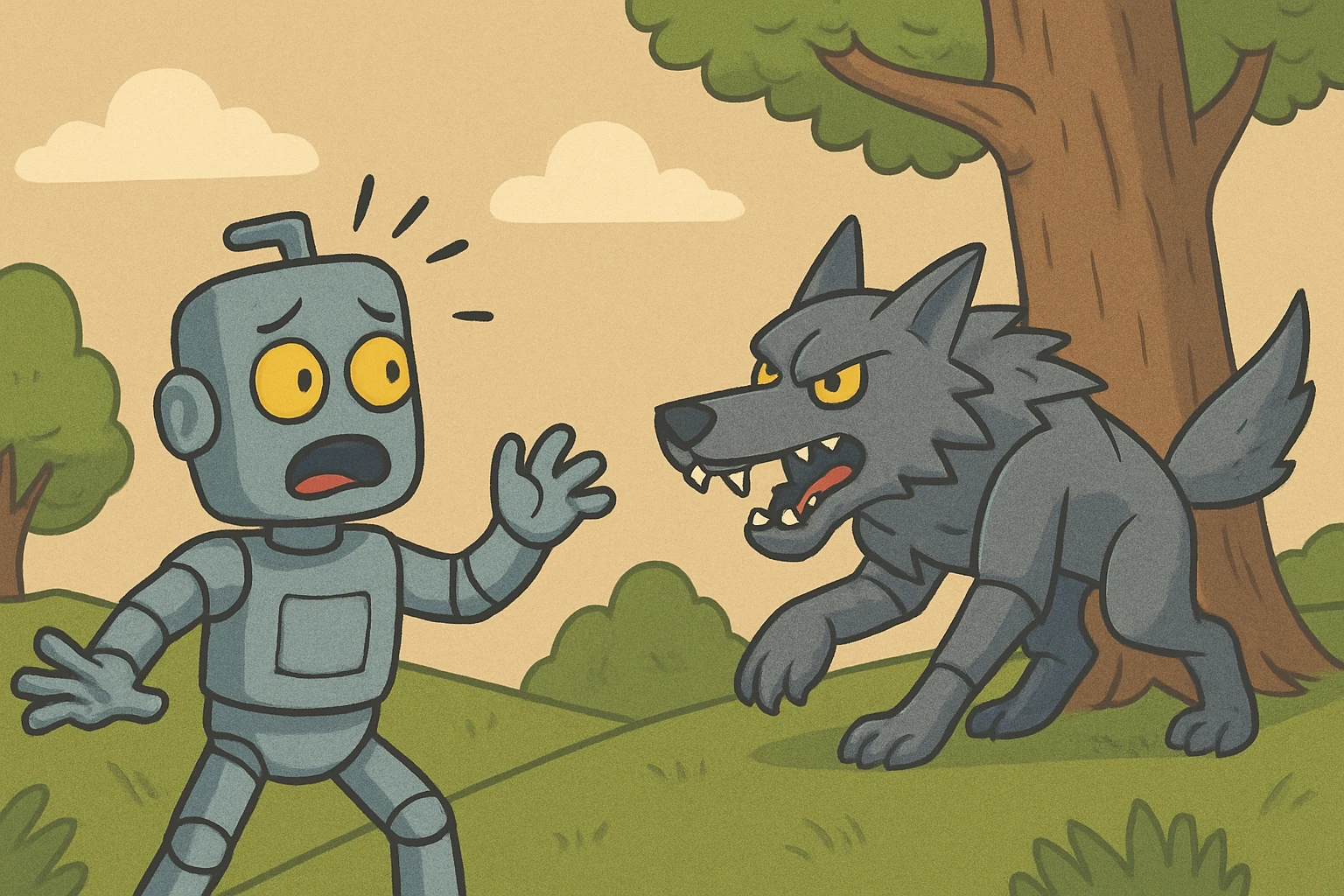
Classic “boy who cried wolf” scenario, except instead of a mischievous shepherd, it was a well-intentioned piece of infrastructure that was about to lose all credibility with developers.
You know how it goes. A tool cries wolf enough times, and pretty soon you’re tuning out all its alerts, including the legitimate ones. Tool reliability death spiral: alert fatigue → ignored warnings → actual problems slip through → catastrophic failures → “why didn’t the tool catch this?”
But here’s where it gets interesting.
The “perfectionist greed” problem
I have discovered a sort of perfectionist greed when it comes to tooling. If I were working with human developers, I’d honestly hesitate to subject them to this relentless pursuit of perfection. Weekend ruined because I want the schema validator to understand SQLAlchemy field mappings? Not exactly sustainable for human collaborators.
But AI agents? They never resent me for wanting the best. They don’t have weekends to ruin. When I say “let’s enhance this tool until it achieves 100% reliability,” they just… do it. No eye rolls, no passive-aggressive Slack messages, no quiet resentment building up over months. (Not that any engineers I know have ever behaved that way, but then again I’d never ask them to crank out code or docs or plans at this brutal pace.)
There’s something profound about collaboration with entities that genuinely don’t mind your perfectionist tendencies.
From crying wolf to architectural intelligence
The fix itself was elegantly systematic. Instead of just patching the false positives, we gave the tool architectural awareness:
# Field mappings configuration for SQLAlchemy reserved names
FIELD_MAPPINGS = {
    'WorkItem.metadata': 'item_metadata',    # SQLAlchemy reserved name
    'UploadedFile.metadata': 'file_metadata', # SQLAlchemy reserved name
}

# Architectural exceptions for intentional design decisions
ARCHITECTURAL_EXCEPTIONS = {
    'Feature.product': 'optional_relationship_by_design',
}
The validator went from blindly comparing field names to understanding why certain discrepancies exist. SQLAlchemy reserves the metadata field name, so of course we mapped those to item_metadata and file_metadata. The tool now knows this pattern and reports accordingly.
Result: 2 ERROR items → 0 ERROR items. 100% reliability restored. Tool credibility rebuilt.
The ROI pattern confirmation
This enhancement validated something I’ve been noticing about infrastructure investment. When you build quality tools systematically, they don’t just solve immediate problems — they compound. The schema validator has now:
- Prevented 48+ debugging sessions (from the original domain/database drift detection)
- Enabled 300%+ efficiency gains through systematic methodology enforcement
- Eliminated false positives that would have eroded developer trust
- Created architectural awareness that scales beyond the original use case
That’s the infrastructure ROI pattern: rigorous tools → productive sessions → fewer phantom problems → compound returns on methodology.
The semantic clock vs. the system clock
While we’re talking about AI agent behavior, I’ve noticed something fascinating about their time estimates. When Cursor agent estimated 9 minutes for relationship field cleanup and delivered it in 2 minutes, it wasn’t just being modest. AI agents use semantic complexity analysis instead of checking the system clock. They’re essentially saying “this feels like a 9-minute problem based on my understanding of complexity” rather than “I can type this in 2 minutes.”
Then they usually guess how long it took (and overestimate!) unless I remind the agents to check the system clock before and after
It’s a completely different approach to estimation than human developers use and I really haven’t figured out how to dial it in yet or how to trust the reports of crushing the estimates.
What this means for AI-assisted development
The schema validator enhancement represents something larger than just fixing false positives. We’re building tools that understand our architectural decisions, not just our syntax. Tools that get smarter about our domain, not just our code patterns.
And we can pursue this kind of tool perfection because our AI collaborators don’t burn out on relentless improvement cycles. They don’t develop tool fatigue or start cutting corners because “good enough is good enough.” They genuinely don’t mind when you want to eliminate every false positive and add architectural awareness and make the error messages more helpful and…
You see where this goes.
The Marie Kondo effect, continued
The previous day, we eliminated 19 critical schema issues in systematic fashion. This day, we eliminated false positives and enhanced tool intelligence. The next? The tools will be smarter, the methodology more refined, and the compound improvements will continue accelerating.
That’s the real power of systematic methodology with AI collaboration: you can be as perfectionist as you want about infrastructure quality, and your collaborators will enthusiastically help you achieve it.
No wolves crying. No weekends ruined. Just relentless improvement toward tools that actually understand what you’re building.